Table of Contents
Table of Contents
I. Introduction: Reclaiming the Weeknight Dinner
The clock hits 6 PM, and the challenge begins: How do you create a genuinely delicious, nutritious, and satisfying dinner without spending an hour at the stove or ending up with a mountain of dishes? The answer lies in mastering a few core cooking methodologies.
This ultimate guide will empower you to conquer the weeknight dinner dilemma by focusing on four essential pillars of quick, easy cooking. We will break down the techniques behind the Sheet Pan Solution, the 30-Minute Pasta Fix, the One-Pot Comfort Meal, and the Vegetarian Quick-Cook. By mastering one recipe from each pillar, you unlock the ability to plan and execute stress-free meals any night of the week.
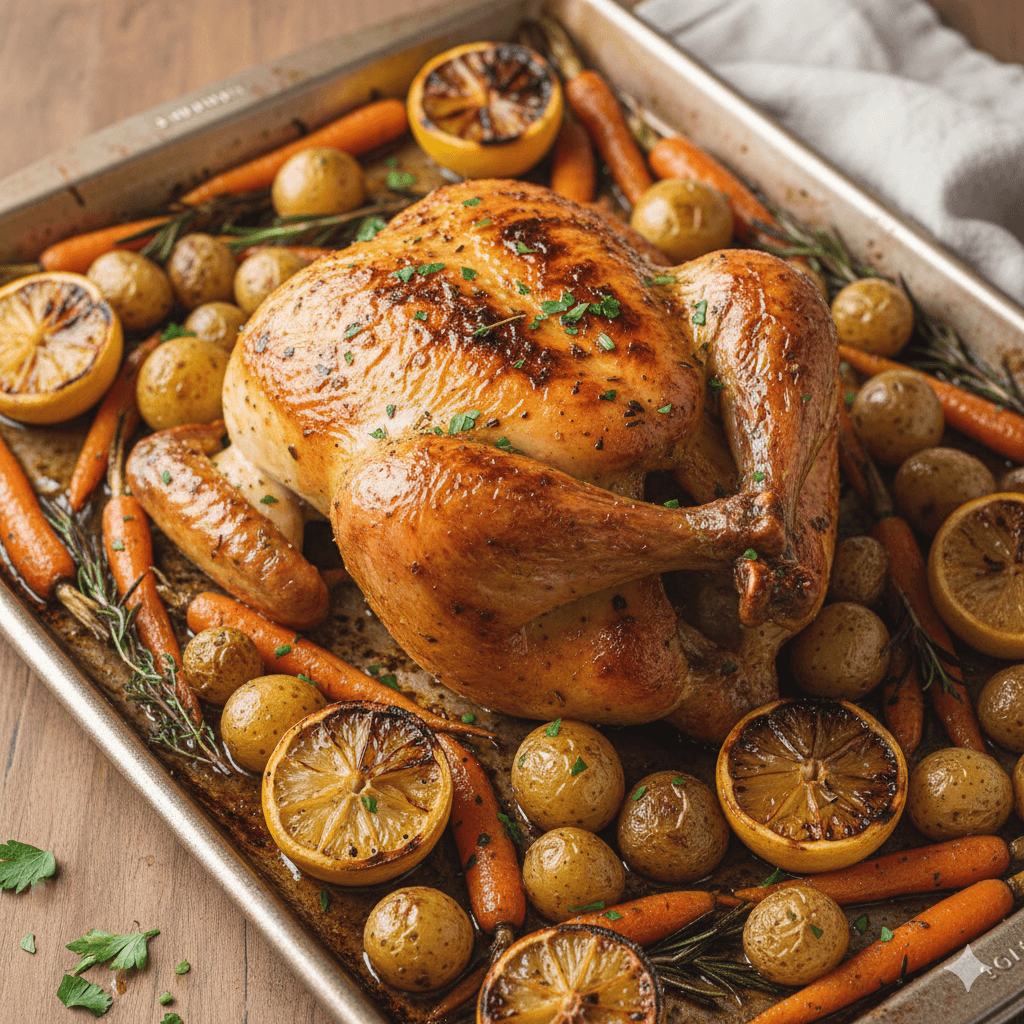
II. Pillar 1: The Sheet Pan Solution — One-Pan Lemon Herb Chicken
The sheet pan meal is the ultimate low-effort, low-cleanup cooking method. By combining protein and vegetables on a single tray, you create a perfectly balanced, wholesome meal with minimal fuss.
Recipe Spotlight: One-Pan Lemon Herb Chicken
This is the quintessential sheet pan recipe, emphasizing dry heat roasting for maximum flavor and crisp skin.
| Core Ingredients | Focus |
| Chicken (Whole or Parts) | The Protein |
| Lemon • Herbs (Rosemary, Thyme) | The Flavor Base/Acid |
| Potatoes • Carrots | The Starch & Root Veg |
| Olive Oil • Seasoning | The Fat/Fat-Soluble Carrier |
Detailed Technique Deep Dive: Roast Mastery (Approx. 350 Words)
Success with sheet pan chicken relies on understanding how different ingredients cook at different rates.
- Uniformity is Key (The Starch Rule): The biggest mistake in sheet pan cooking is uneven cooking. Ensure potatoes and carrots are cut into uniform, bite-sized pieces (no larger than 1 inch). Dense root vegetables should be cut smaller than softer vegetables like broccoli or asparagus.
- The High-Heat Sear (425°F/220°C): Roasting at a high temperature is critical to achieving crispy chicken skin and tenderizing the vegetables simultaneously. Use the high heat to create the Maillard reaction—that deep, savory brown crust—on all surfaces.
- The Power of Acid and Herb: Pat the chicken (or chicken parts) completely dry before seasoning. Tossing it with lemon zest and a generous amount of fresh herbs (rosemary and thyme are classic) allows the aromatic oils to deeply penetrate the skin and meat, leading to a much more flavorful result than a simple salt rub.
Advanced Tips & Troubleshooting:
- For Chicken Parts: If using breasts, which cook faster than legs/thighs, toss them in half the oil and add them to the sheet pan 15 minutes after the root vegetables have started roasting.
- Preventing a Steamed Pan: Do not overcrowd the sheet pan. Use two pans if necessary; overcrowding traps moisture and steams the ingredients, preventing the desired crispness.
- The Final Lemon Slice: Add fresh lemon slices directly to the pan during the last 15 minutes of roasting; the heat caramelizes the lemon, softening the acid into a delicious drizzle.
III. Pillar 2: The 30-Minute Pasta Fix — Quick Shrimp Scampi Pasta
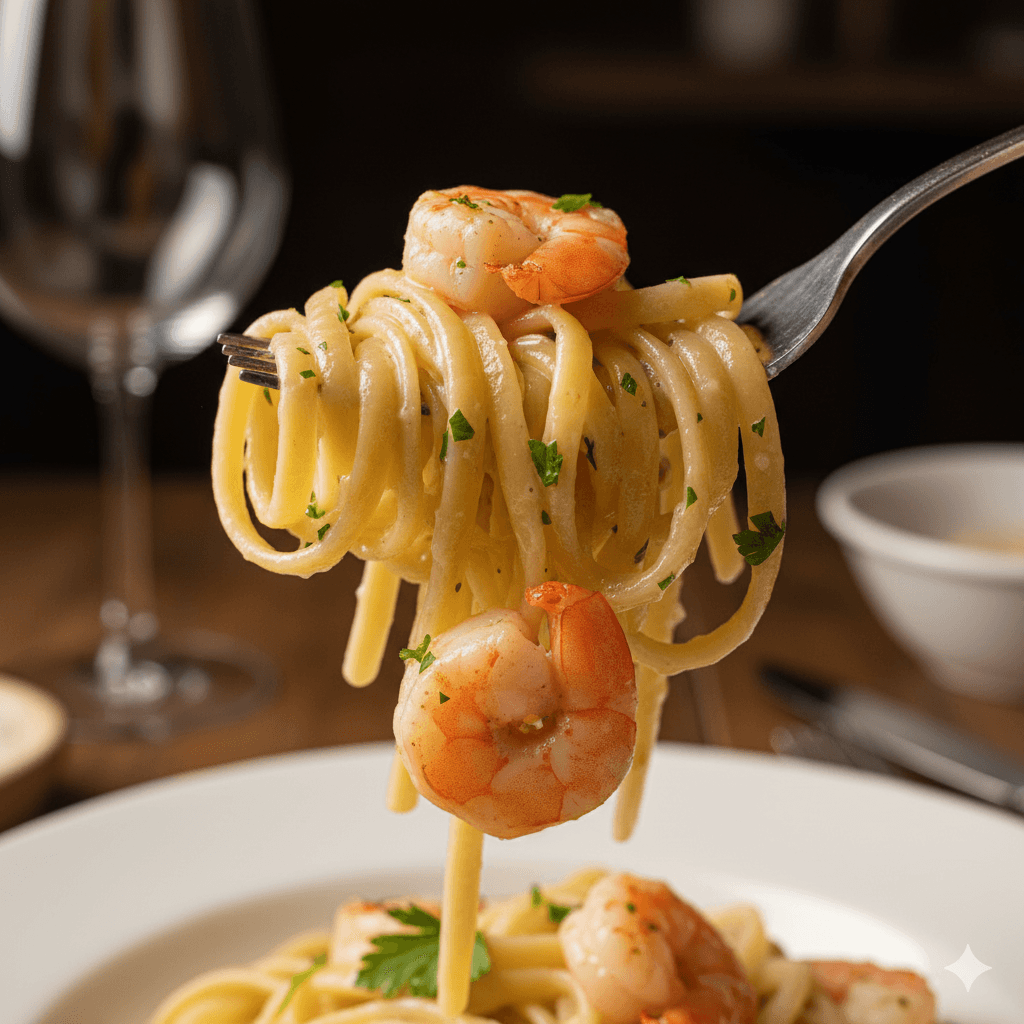
Pasta is the perfect foundation for a lightning-fast meal. By using a quick-cooking protein like shrimp and leveraging the technique of emulsification, you can build a rich, glossy sauce in the time it takes the noodles to boil.
Recipe Spotlight: Quick Shrimp Scampi Pasta
This scampi is a masterclass in building a balanced, glossy sauce.
| Core Ingredients | Focus |
| Shrimp | The Quick Protein |
| Pasta (Linguine/Spaghetti) | The Starch Base |
| Garlic • Butter • Lemon | The Sauce Foundation |
| White Wine • Parsley | The Acidity/Garnish |
Detailed Technique Deep Dive: Emulsion & Finishing (Approx. 350 Words)
- Building the Fond: Start by searing the shrimp in butter and a little oil. This leaves behind browned bits (fond) that are essential for flavor. Remove the shrimp before it’s fully cooked (when it just starts to curl into a “C” shape).
- The Wine Deglaze: Add the white wine (or chicken broth) to the pan and scrape up all those flavorful brown bits. This deglazing process adds a layer of depth and savory complexity.
- The Scampi Sauce Secret (Emulsion): This is the key. Once the garlic and lemon juice are added, use a ladleful of starchy pasta water (the water the noodles boiled in). Whisking the butter into the starchy water and acid creates a smooth, thick, opaque sauce that clings to the pasta, eliminating the need for heavy cream.
Advanced Tips & Troubleshooting:
- Perfect Shrimp Timing: Shrimp cook in 2-4 minutes. If you add them back to the sauce too early, they will be rubbery. Add the partially cooked shrimp back into the sauce during the final 60 seconds of cooking, allowing them to finish gently in the warm sauce.
- Salt Management: Since pasta water is usually heavily salted, taste the sauce before adding any additional salt.
- Flavor Boost: Finish with a grating of fresh Parmesan cheese and a generous sprinkle of fresh parsley for brightness.
IV. Pillar 3: The One-Pot Comfort Meal — Hearty Beef & Veggie Chili
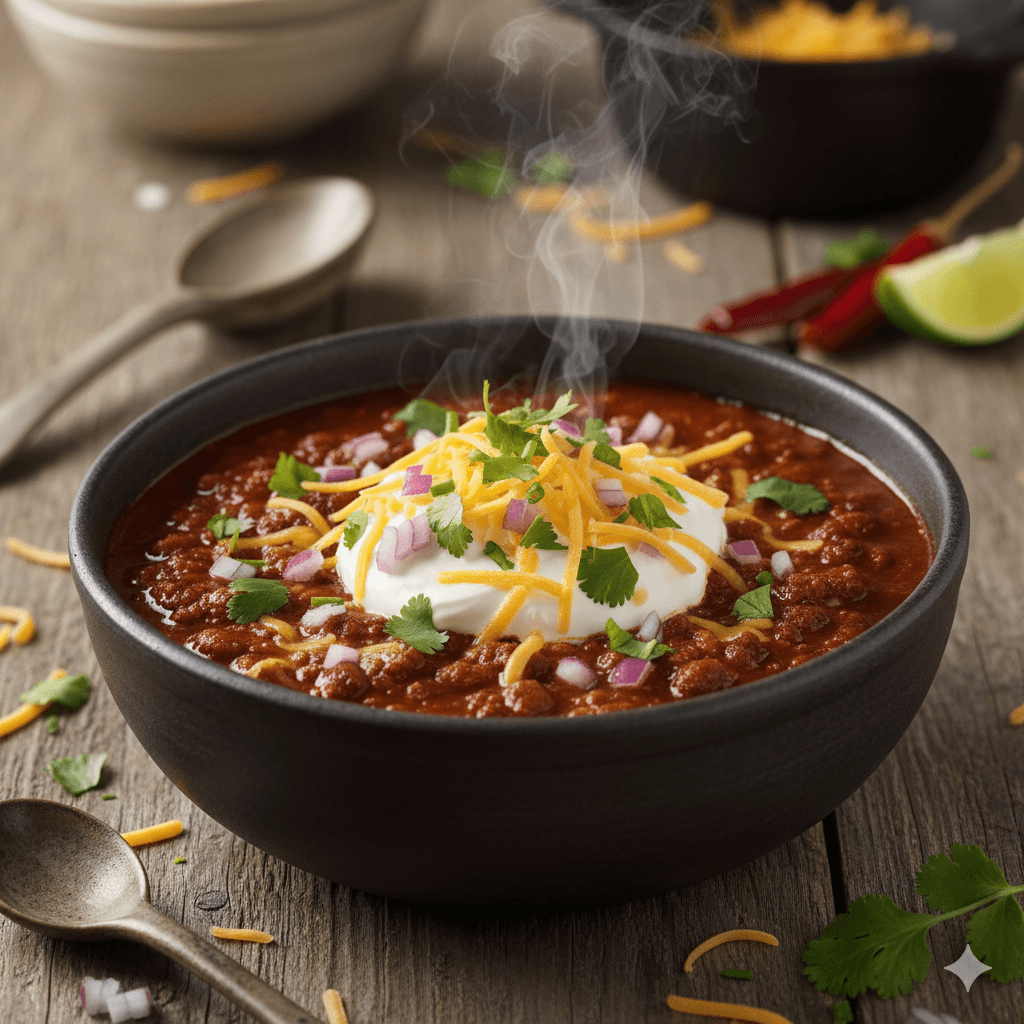
Comfort food doesn’t have to take all day. A hearty chili can achieve deep, complex flavor with focused technique and a short, controlled simmer.
Recipe Spotlight: Hearty Beef & Veggie Chili
This recipe relies on seasoning and layering to deliver a complex, savory flavor.
| Core Ingredients | Focus |
| Ground Beef | The Protein/Richness |
| Tomatoes • Broth | The Liquid Base/Acid |
| Chili Spices • Corn | The Flavor/Texture |
| Beans • Bell Peppers | The Fiber/Body |
Detailed Technique Deep Dive: Building Deep Flavor Fast (Approx. 400 Words)
- Maximal Browning (The Sear): Do not steam your ground beef. Brown it in batches, if necessary, and ensure a dark, deep-brown crust forms before draining any fat. This browning step creates crucial, savory umami that will define the chili’s final flavor.
- The Spice Bloom: After browning the meat and softening the onions and peppers, add the chili spices (chili powder, cumin, oregano) directly to the pot with the meat. Cook the spices for 1-2 minutes, stirring continuously. This step—the spice bloom—wakes up the fat-soluble flavor compounds, making the entire chili more fragrant and robust.
- The Short Simmer: Unlike traditional chili that simmers for 6+ hours, this weeknight version benefits from a focused, 20-30 minute simmer after the tomatoes and broth are added. This time is just enough to soften the peppers, infuse the liquids with the spice blend, and allow the flavors to marry sufficiently.
Advanced Tips & Troubleshooting:
- Thickening: If your chili is too soupy, remove the lid for the last 10 minutes of simmering to allow the liquid to reduce. Alternatively, mash about half a cup of the beans against the side of the pot and stir them back in; the starch will thicken the chili naturally.
- The Secret Ingredient: For a more authentic, earthy flavor, stir in a spoonful of masa harina (corn flour, optional) or even a square of high-quality dark chocolate during the simmer.
- Topping is Essential: Serve with sour cream, shredded cheese (cheddar/Monterey Jack blend), and fresh cilantro to provide textural and temperature contrast.
V. Pillar 4: The Vegetarian Quick-Cook — Creamy Sundried Tomato Gnocchi
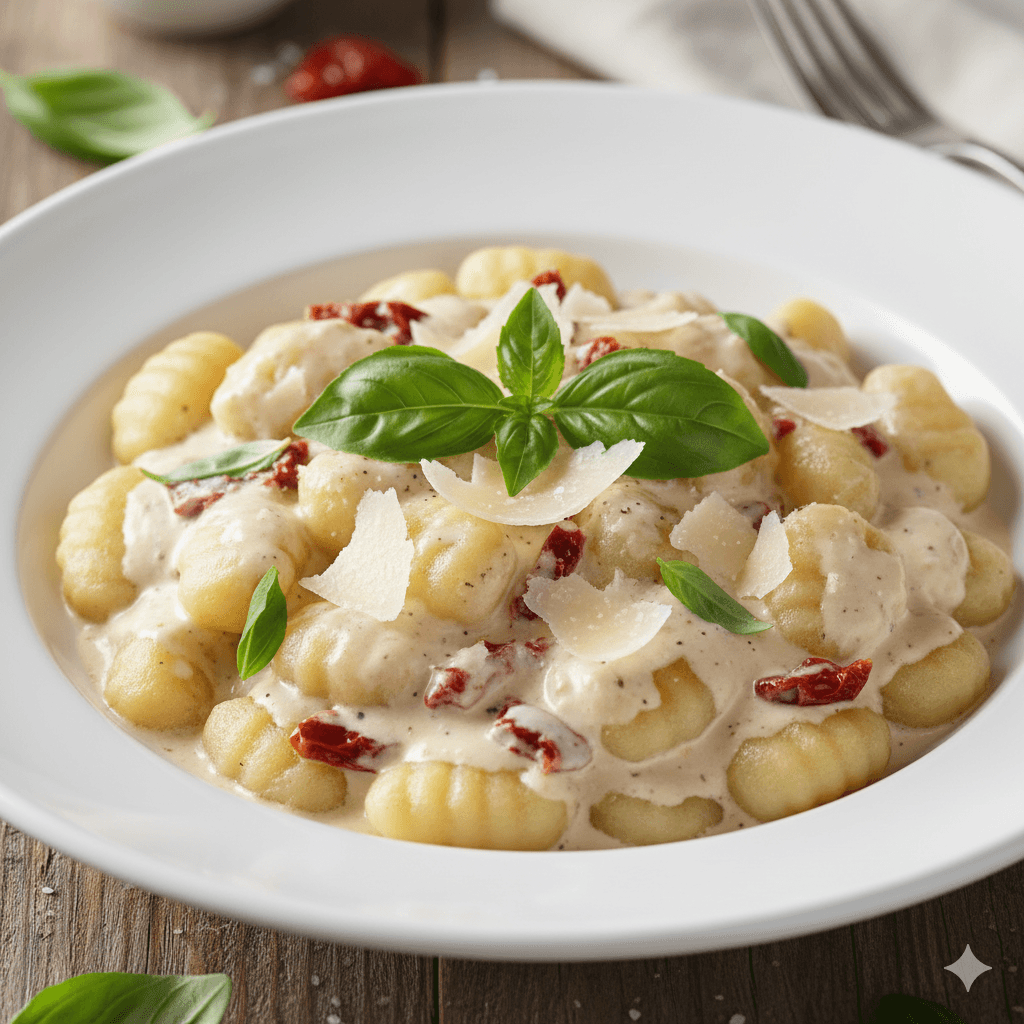
A quick vegetarian option should be satisfying, rich, and fast. Pre-made gnocchi is a secret weapon that cooks in minutes and readily absorbs creamy sauces, making this dish both easy and luxurious.
Recipe Spotlight: Creamy Sundried Tomato Gnocchi
A velvety, decadent dish that requires almost zero knife work.
| Core Ingredients | Focus |
| Gnocchi (Potato Dumplings) | The Starch Base |
| Sundried Tomatoes • Garlic • Basil | The Flavor Foundation |
| Cream • Parmesan • Spinach | The Creamy Body |
Detailed Technique Deep Dive: Flavor Extraction and Quick Reduction (Approx. 350 Words)
- Flavor Extraction: Start by heating the skillet with the oil from the jar of sundried tomatoes, if available. This instantly infuses the pan with deep, concentrated tomato and herb flavor. Sautéing the minced garlic and sliced sundried tomatoes in this oil creates the aromatic base.
- The Gnocchi Method: Gnocchi is done when it floats to the surface (usually 2-3 minutes). Drain it and add it directly to the skillet with the sauce base.
- The Cream Reduction: Add the cream and a spoonful of starchy gnocchi water to the skillet. Allow it to simmer and reduce for a few minutes. As the cream thickens and clings to the gnocchi, the starches from the potato dumplings also contribute to the velvety texture.
Advanced Tips & Troubleshooting:
- Boosting Nutrients: Stir in a handful of fresh spinach or arugula during the last minute of cooking; the residual heat will wilt the greens perfectly.
- Enhancing Tang: A spoonful of cream cheese or goat cheese stirred into the warm sauce adds a delicious tanginess and enhances the creamy texture.
- Crispy Finish: For an elevated texture, pan-fry the boiled gnocchi in a separate skillet with butter until the dumplings are slightly golden and crispy on the outside, then toss them in the creamy sauce.
VI. Conclusion: Your Weeknight Meal Toolkit
You are now equipped with the four foundational techniques for quick and easy weeknight meals. Each method—from the hands-off sheet pan roast to the simple pasta emulsion—is designed to maximize flavor while minimizing effort and cleanup.
No matter how busy your night is, you have a blueprint for a delicious, home-cooked meal.